it had to be john

[5 minutes]

Hey y’all, I want to share some thoughts with you I’ve been mulling over about the naming of John the Baptist in Luke 1…and what that means for us, the grace-endowed people of God.

When Zechariah and Elizabeth presented their miracle baby for circumcision, Elizabeth insisted her baby be named John. Insisted. Others thought Zechariah would be more appropriate, but Elizabeth stood her ground.

“No,” she said staunchly. “His name will be John. Period. End of discussion.”

We know why she was so adamant from a verse earlier in the chapter:

But the angel said to him, “Do not be afraid, Zechariah, for your prayer has been heard, and your wife Elizabeth will bear you a son, and you shall call his name John.”

Luke 1:13

I mean, the angel Gabriel said so, come on. Who’s going to defy God’s main messenger angel? John it was prophesied, and John it shall be.

When Elizabeth told those closest to her about the naming, they balked. When has there been a ‘John’ in our history? Give him the name of a notable priest or prophet! This is a miracle! It deserves a BIG name! But John?!

“John” means ‘Yah (the LORD) is gracious’ in Hebrew. “God has graced us” is a beautiful rendering also. Zechariah and Elizabeth were graced with a son in their olden years.

Remember, Elizabeth and Zechariah were well past childbearing years. The name infers “special grace“ for a privileged couple. All of John’s days he would have the reminder of his name to know that he was a grace-gift.

May I just insert here – [it is my thesis after all!] – you and I have been blessed to carry the name of Christ Jesus. This should remind us all day, every day that we are stewards of special grace and are to extend that same grace everywhere we go.]

They could have gotten really clever and named their baby Zechariah John. That’s catchy, right? Got a nice ring to it? It’s good compromise after all. But no. His name was John. No other name would do.

So from here on are the thoughts I’ve been mulling over about this scene in the third gospel, Luke 1:59-80 in particular.

John’s birth and calling worked in tandem with the Advent of Jesus who is the Christ. So close were they on the timeline of salvation’s grand history you can’t be witness to Jesus’s arrival without hearing John’s announcement.

The Baptist was born into the world to do one thing: prepare people’s hearts for the Advent of Messiah (Luke 1:17). His coming illustrates the Church’s mission since her birth in the Acts.

We believers should take joy in being part of something so special, birthed by God, indwelt by His Holy Spirit, and called out among all the peoples of the earth to announce and proclaim the Coming of Christ Jesus to the world. The Church is meant to be a blessing for all!

forerunner of Messiah

Enter John. It had to be “John.” We have been wonderfully, gloriously graced to meet Jesus. It became official when his Dad, Zechariah, (finally) said the name out loud, much as the Father spoke over Jesus: This is My Beloved Son.

John was a peculiar name just as we are a peculiar people. We are peculiarized (my word) in our naming and identity. We are Christians (belonging to the realm of Christ) and called-out ones, called to wilderness life this side of heaven to prepare us and make us ready for the Day of our Revealing as the sons and daughters of God (Romans 8:19; 1 John 3:2).

And the child grew and became strong in spirit, and he was in the wilderness until the day of his public appearance to Israel.

— Luke 1:80

John grew and “became strong in spirit” (v80). The tense of the verb is that he kept growing and he kept getting stronger in spirit through his lifetime. We won’t mention John’s briefly questioning Jesus’s creds when he was in prison facing execution. I think he gets a pass for that, considering he was faithful unto death.

Maybe as you have read along, trying to follow the flow of my thinking, you’re slowly beginning to pick up on it too. The trajectory of John’s life, beginning to end, is the same testimony of the Church.

Enter the Church. We were conceived in grace, birthed in promise, named intentionally, living as nomads and exiles on earth, all the while announcing the Glorious Arrival of the Christ of Heaven.

The Apostle Paul said it has to be us, too. God doesn’t have a Plan B. Weak, foolish, low, and despised though we may be, we’re it. If you got to play God for a day, would you choose us?

the church as forerunners, too

Brothers and sisters in Christ, we know there’s a lot of “not the Church” “inside the Church.” That’s pretty obvious to us (and to the world). Don’t fret it and sweat it. God knows it too. He graced us with a calling and mission. (By Christ) we’ll get it done.

God’s graced us with fiery prophets and prayer warriors and preachers and wilderness voices and faithful husbands and devoted wives and surrendered singles and poets and artists, as well as Spirit-filled children …with more yet to be birthed into the Kingdom!

God stands over it all, steady and unflinching. He named us. And because He promised a faithful Bride for His Son, we will see unparalleled growth by the Spirit — along with increasing hardship — as we draw ever closer to the Day.

‘God is gracious.’

He has graced us.

Let us give thanks.

And you, child (Church), will be called the prophet (people) of the Most High; for you will go before the Lord to prepare his ways, to give knowledge of salvation to his people in the forgiveness of their sins,
because of the tender mercy of our God, whereby the sunrise shall visit us from on high to give light to those who sit in darkness and in the shadow of death, to guide our feet into the way of peace.”

— Zechariah’s blessing over John, with slight edits to include us

That’s what I’ve been chewing on lately. What are you thinking about these days?

Until next time,

Selah, beloved.

here i am, Lord, standing on the bottom step

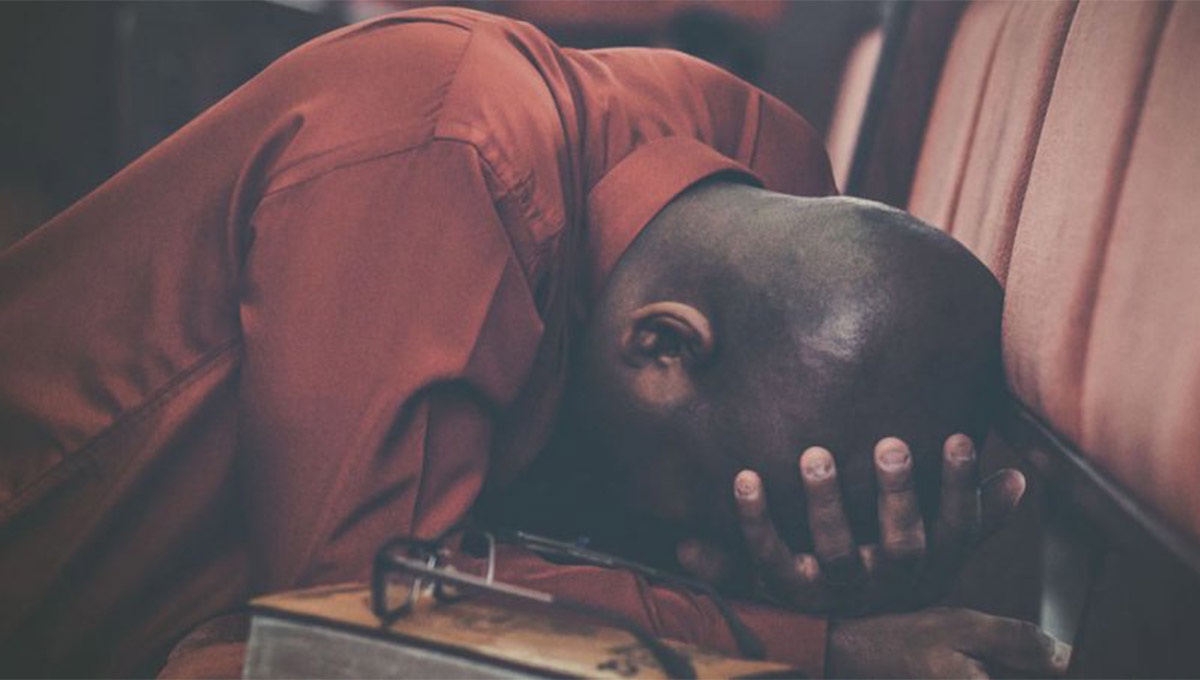
I come to worship you, Lord. I desperately need it, but I’m having a hard time getting my head in a right place.

“Nothing in my hands I bring”?

Hardly. I come with wounds and weariness. There are stains on my soul. Battle stains. ‘I am for peace, but when I speak, they are for war’

…have mercy, O Christ…I am so, so tired…


Years ago I read a mostly forgettable book but for one sentence. That single line so resonated with me I can still quote it twenty years later. The author said, “Whatever the enemy wants to do to you he uses people to do it.”

Paul mentioned something to the Ephesians about the devil and his “fiery darts.” That’s real. If you’ve ever been in any kind of spiritual warfare you know it’s real.

Sometimes it’s an unkind text. Perhaps you caught an eye roll from your husband or a hurtful facial expression from your fellow staff member. Maybe you walked into a café and spotted your friend at a table with your least favorite person.

There was a time I had to take a strong stand as a pastor, and some of my dearest friends questioned my position. I had made enemies in the church and now even my friends were turning against me. Sandy and I were utterly bereft. I called my spiritual mentor and cried through the entire conversation. It was easily one of the lowest points of my life.

This was during a time our son was not doing well at all, constantly rebelling and deepening our sorrow. It was all too much. The devil was setting up bulwarks and laying siege to our home and Sandy and I felt completely cut off and alone.

Fiery darts, man. One day you’re going along happy as you please when a stranger cusses you out for trying to change lanes. Sometimes those fiery darts come in the form of words flung from people you are supposed to trust. Those are the hardest.

Sandy and I can easily put ourselves in the sandals of this pilgrim who has just come through a war zone. He stands on the bottom step of the temple, knees feeble, arms hanging. The man is spent. And he desperately needs a kind word from God.

In those seasons, of which we are in one now, the only comfort we have is the word of God.

Here we are, Lord, standing on the bottom step.

too stressed to bless

Psalm 120 is the first of fifteen worship songs created for pilgrims on their way to Jerusalem to celebrate a national feast day. The subscript in your Bible might read “ascent” since Jerusalem was “up” to the travelers; others call them “step” psalms to indicate the fifteen steps taking the pilgrims up into the Temple.

So this psalm is the very first step. Problem is, our soloist is already tired before he even begins. The journey starts out rough. This worshiper is struggling to get to church and now he’s wondering if he should even go. Maybe just turn this caravan around. Check out.

In my distress I called to the LORD…

Psalm 120:1

“Distress.” The word he uses in the opening verse means ‘rival wife.’ It’s possible he wants us to think about Hannah in 1 Samuel 1:6-7 where we find the same word. Read the highlighted text if you aren’t familiar with her story. The insults she got from her rival wife Peninnah were taunting her all the way to the tabernacle.

By the time she arrived, she was too stressed to bless the Lord. She went anyway. Hannah yearned for a kind word from God.

In some forms the word means ‘pebble’ and you can see how well that ties in. Ever tried to walk anywhere with a stone in your shoe?

What was so distressing? Why the furrowed brow, mate?

The very next verse tells us:

Deliver me, O LORD,

from lying lips,

from a deceitful tongue.

Psalm 120:2

Like Hannah, this weary worshipper was harassed by people who did not share his heart. They were unsafe. The taunts he received were an amalgam of bald-faced lies and honeyed words that hid a sharpened knife.

Our pilgrim in this story pulled into the church parking lot feeling like he’d been through a war zone. I’m pretty sure he wanted to put his feet in reverse and go home. Or maybe he realized he was home, the safest spot on earth.

“Woe is me!” he cries from the first step.


meshechites among us

Woe to me, that I sojourn in Meshech,

that I dwell among the tents of Kedar!

Psalm 120:5

Eugene Peterson sets the stage:

Meshech and Kedar were barbarian tribes with a reputation for wildness. They were neighbors to the biblical Hebrews. The person who prayed Psalm 120 was praying in the company of people who were on their way to worship God in Jerusalem but feeling immersed in enmity, lying lips, and a deceitful tongue. He is committed to a way of peace, God‘s peace, but he feels hostility all around him. ‘I am for peace,’ he says, ‘but when I speak, they are for war.’

—Eugene Peterson, Practice Resurrection, 135

Some people are always spoiling for a fight. They quite enjoy starting fires. Their demeanor is mostly antagonistic, but if you happen to catch them on a good day, count your blessings.

Our pilgrim worshipper had come through a string of bad days. Like a certain apostle, he was “troubled on every side…distressed…persecuted…knocked down.” There seemed to be no end to the assaults. Enmity was everywhere.


a closing word

Sometimes the enmity never lets up. You pray, plead, beg, cry, and practically crawl for resolution, but no help comes. Unfortunately, this psalm doesn’t end on a high note. However, we mustn’t forget a very important truth: the very next step offers a better view of things.

I hear you: Lord, hurry up and get me on the next step!

Sandy and I are right there with you.

If perchance you read on you’ll find the worshipper ascending to a new step. In fact, go ahead and read the next psalm now; we could all use some of its encouragement.

I’ll give you the highlights, the better vantage points from the next step:

  • My Source is true, theirs is a lie
  • My strength and hope comes from God
  • He’s wide awake; he sees what’s happening
  • He’s right beside me, protecting me

The last thing I’ll say is this. Our weary traveler is not alone. Yes, of course God is with him. But he’s also in a company of fellow travelers.

They’ve heard the taunts too. They’ve also been blindsided. They are people of faith of whom can be said, ”They understand. They’ve been there also. They have scars too.” Know they are standing with you on the first step, linking arms, holding you up.

No matter how bad I am feeling, how lost or lonely or frightened, when I see the faces of the people at my church, and hear their tawny voices, I can always find my way home.

—Ann Lamott

Selah, beloved.

[tipjarwp mode=”button” link_text=”Click here to buy me a coffee ☕️ Thank you!” open_style=”in_place”]

bornagainniversary

Today I’m 48 years old.

In the Lord.

It all started on a Sunday in our family room, kneeling in front of the couch. Dad was on his knees beside me. A half-eaten Sunday dinner was cooling on the dining room table…

january 20, 1974

The family, just home from morning worship, was sitting down for a meal of roast and potatoes, and I was all tied up in knots.

About an hour and a half earlier I had a kung fu grip on the back of the pew in front of me and my knuckles were stretched white. I was sitting with my mother a third of the way back on the outside left, facing the platform. Forrest Hills Baptist Church was more packed than normal.

We had a guest speaker that morning, Monroe Parker. I don’t remember too much about the sermon, only that he used scary illustrations about people who died without Jesus. On hospital beds, in car wrecks, every sort of life-shortened tragedy.

It was revival week with the evangelist, so the altar was mostly filled with weepy folk. As the choir started through another verse of Softly and Tenderly, I leaned out into the aisle, still gripping the pew. I chanced a quick look at my mom, who nodded and smiled knowingly, and that was all the motivation I needed to join a trickle of souls to the front.

Ann Plant was an altar worker known well by our family. She met me, saw how miserable I was, and hastily led me to an open spot on the platform steps.

It was already assumed I was saved (I was a really good kid) so she led me in a “rededication of life” prayer. She smiled and hugged me and I went back to my row where mom waited. I forced a smile because I still felt heavy inside. Where was that lightness of step and brightness of spirit I expected?

On the drive home from church, I remember sitting in the backseat between my two sisters. I was very quiet. Positioned with my feet on the hump, I leaned forward and stole glances of my sad self in the rearview mirror. I could see dad‘s eyes occasionally sliding over to meet mine.

Finally, he furrowed his brow and asked if I was okay. I didn’t look okay. It was all so very discomfiting.

For a thirteen year old kid, a trip to a church altar and a vulnerable prayer with an adult should at least earn you some level of peace. Not me. I didn’t feel fixed.

praying with dad

Sunday dinner was not in the least bit enjoyable for a boy who liked to eat. I pushed vegetables around the plate with my fork, worrying over stuff like being killed in a car wreck and lost for eternity. Pretty out-there stuff for a thirteen year old.

Midway through the meal dad and I exchanged looks. He saw the misery on my face. I felt lost and told him so. He looked at mom and she said lunch could wait. Rising from his place at the head of the table, dad set down his napkin and pushed away.

“Let’s go into the family room, buddy” he said kindly. “I think I know what you need.”

I followed dad to our sofa and took my place beside him on my knees. There, father and son side by side, settled the matter of my soul once and for all. I started to cry. It felt for all the weight of the world that what we were doing was right. I exhaled all my pent-up breath and answered my dad, phrase by phrase, in the sinner’s prayer.

Two minutes later, we were done. Dad hugged me and told me I was saved and that I shouldn’t doubt it ever again. And honestly, by the good grace of God, I never have.

There’ve been some touch-and-go moments in my life, but, forty-eight years later (and counting!), the testimony holds because Jesus holds me.

This is my story, and this is my song:

a salvation hymn

I love GOD because he listened to me,

listened as I begged for mercy.

He listened so intently

as I laid out my case before him. Death stared me in the face,

hell was hard on my heels.

Up against it, I didn’t know which way to turn;

then I called out to GOD for help:

“Please, GOD!” I cried out.

“Save my life!”

GOD is gracious—it is he who makes things right,

our most compassionate God.

GOD takes the side of the helpless;

when I was at the end of my rope, he saved me.

Psalm 116:1-6, The Message

[tipjarwp mode=”button” link_text=”Click here to buy me a coffee ☕️ Thank you!” open_style=”in_place”]